|
|
 |
Dusted Reviews
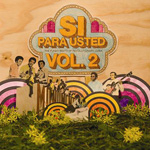
Artist: V/A Album: Si, Para Usted: The Funky Beats of Revolutionary Cuba, Vol. 2 Label: Waxing Deep Review date: Dec. 10, 2009 |
|
|
|
|
If there is a formula or code involved in assembling a world class groove compilation, consider it cracked: take slippy American grooves (themselves originating in West Africa), reimport them into another part of the globe, and let them marinate in obscurity for 30 years until hipster cratediggers venture out to rediscover them after repatriation. Case in point, Love Is A Real Thing, Luakabop’s West African compilation of music with a 1960s psychedelic rock influence. The psychedelia was mostly superficial and coincidental, but the aesthetic elements of fuzz, wah-wah and echo did justify a few inclusions that would have otherwise stood out too far from 2nd gen funk or Afrobeat. The core, however, was a good reflection of funky West African soul music with largely Western rock instrumentation, whereas the psychedelic angle made for good cover art and musically was borne out by token groovy guitar effects. And where did West find the parts and pieces needed to assemble rock, R&B and soul music? Duh.
Si, Para Usted, Vol. 2 showcases an American-Caribbean analogue of the same phenomenon. Yanks create funk and soul with the influence of West African music, and, to a certain extent, latin jazz and boogaloo throw in their two cents as well. Cubans absorb (through illegal handcrank radios? Lord only knows) the funkier esoterics of the 90-mile hybrid, toss stuff like backbeat and bow-chikka-wow-wow guitar back into their own stew, and – voila! – you have Orquesta Cubana de Musica Moderna’s thrilling reinvention of the 1960s soul anomaly "Vehicle.” Leaving the head smartly intact, the Cuban version attacks the song from the inside like a fast moving virus, infecting the guts and heart of the tune with clave fever and cowbell distemper. Other selections show more traditionally Afro-Cuban music receiving the facade makeover that unfortunately is afforded so few buildings in Havana; Los Papines, Havana-style rumberos whose Afro-roots credentials have been overshadowed perhaps only by Los Muñequitos de Matazansas, offer a cooled down guaguanco beneath a freshly painted blanket of ambient color and space on "Para Qué Niegas."
Months after its release, there are still plenty of surprises and gems to be found in Si, Para Usted, Vol 2., which is all the more surprising considering that nearly every single program produced by National Public Radio managed to include a review or mention of this album weeks before it hit the general population. Songs like El Combo Caribe’s version of "Andalucia" do find themselves relegated to novelty by the inclusion of a cheap organ, and Hilario Duran’s "El Son De Victoria" is nearly overwhelmed by gloss and eerie virtuosity, but the pervasive spirit of play and experimentation makes a strong argument for the benefits of art in the anti-imperialist state.
By Andy Freivogel
|




 View all articles by Andy Freivogel