|
|
 |
Dusted Reviews
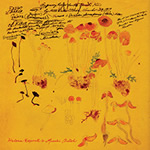
Artist: Helena Espvall and Masaki Batoh Album: Helena Espvall and Masaki Batoh Label: Drag City Review date: Jul. 30, 2008 |
|
|
|
|
If the pentagrams and moccasins and ponchos of the now nearly bygone “freak folk” era made listening to Fairport Convention cool again, Helena Espvall and Masaki Batoh’s self-titled collaboration serves as a reminder that British longhairs of the ’60s were nerds, nerds, nerds. Cellist Espvall, best known for her work with Espers, and Batoh, the guitarist of Japanese psych band Ghost, deploy an arsenal of exotic stringed instruments. They play earnest covers of folk songs from Espvall’s native Sweden, with her clear, thin voice taking the lead, then close the album with an epic improvisation complete with oceanic sounds. So far, so Incredible String Band.
Listeners should not equip their local forest glade with a maypoles or prep tarot cards in anticipation of the arrival of Helena Espvall and Masaki Batoh. Both Espers and Ghost succeed by blending virtuosity with an ability to imbue their music with true eeriness. Despite its medieval chord progressions and finger-cymbals, Espvall and Batoh’s record is more earnest than evocative. The album does not sustain a mood – like a ’60s folk album that jumps from sea-chanty to murder ballad to sitar-enhanced jam, it seems too studious to carry real emotional weight.
Rather, it bears sheer instrumental prowess and vague loveliness as its hallmarks. The folk songs with Espvall’s reverb’d vocals rising over Batoh’s meticulously-picked strings (electric and non) and her own gently rumbling cello are very pretty. The instrumentals often seem like efforts to bring disparate string instruments together, just to see how nice they sound together. On the delicate “Zeranium,” Batoh’s near croon leads the song closer to Low or Ida than the typical freak folk album of yesteryear.
Batoh and Espvall’s skillful musicianship ensure that each individual song works (aside from a misguided cover of the Son House song "Death Letter”), particularly the last two tracks, “Kling Klang” and the enveloping jam "Kyklopes." The menagerie of instruments unleashed and variety of songs attempted leave one with the impression that Espvall and Batoh had a great time figuring out each others' strengths, interests, and influences, and experimenting in the studio. But the deliberateness that resulted, when overlaid with the record's painfully clear, spacious production, void the album of spirit. It's deft enough, and holds the promise of further interesting Espvall/Batoh work, if they can transcend their schoolishness.
By Talya Cooper
|





 View all articles by Talya Cooper