|
|
 |
Dusted Reviews
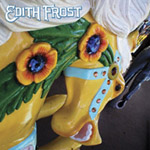
Artist: Edith Frost Album: It's A Game Label: Drag City Review date: Nov. 20, 2005 |
|
|
|
|
“It’s A Game” follows the longest break of Edith Frost’s career, and the time off seems to have done the trick; it’s the best thing she’s recorded since her first album, 1997’s Calling Over Time.
Like that album, this one is a post-heartbreak autopsy, but it’s no retread. The accompaniment is not so pared-to-the-bone; the edges are a bit softer thanks to the upholstering furnished by keyboardists Azita Youssefi, Lindsay Anderson and Mark Greenberg. The backing, which shifts from country to torch-song jazz to yearning pop, is Frost’s most eclectic to date, and it’s executed throughout with an understatement that keeps the vocals front and center. Such restraint is key to It’s A Game’s success; the singing is similarly underplayed, which counterbalances the naked pain in some of her lyrics.
Frost and producer Rian Murphy have ordered the songs into a narrative that starts with a suspicion that something is wrong and takes the listener through a crumbling affair’s episodes of rejection, isolation, and resignation. She’s never written so directly before; the anxiety and frustration is more palpable, the hurt deeper than anything she’s previously recorded. But Frost never oversells her heartbreak, and the album’s hopeful resolution feels as genuine as the smile she throws over her shoulder on the back sleeve.
By Bill Meyer
|





 View all articles by Bill Meyer