




|
|
|
|
|
|
|
|
|
|
||||||
| |||||
|
|
||||||||||||||||||||||||||||||||||||||||||
|
|
“We must get closer to the essence of life / But be aware that it takes courage and strife.” The agnostic, welcome to the Church of Andy Bey. He’s got Otis Redding’s phrasing and Sam Cooke’s soul… and recorded his first record when he was 13.
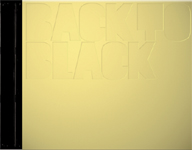
Such begins Lo Recordings’ latest compilation, Back to Black, a collection spanning genres of the 1960s and ’70s, chronicling some of the most poignant black music created during one of the most revolutionary periods of black history. Bey’s “Celestial Blues” sounds as if it was ported directly over from an original vinyl copy. There are still quite a few record heads in search of an original Atlantic Records pressing of Bey’s Experience and Judgment, and it's safe to say Back to Black curator and beat digger extraordinaire Steve Picton’s got one of them.
On Back to Black, Picton has done a superb job of selecting the most defining songs the black experience, an album that supplemented the Rich Mix exhibition at the Whitechapel Gallery in East London last summer. In the late 1960s, “Black power” and the movement it begot had become not only a familiar phrase among its revolutionary progenitors, but it was a philosophy that pounded its way to the forefront of the American political landscape. Eventually leading to the Black Arts Movement, a new aesthetic had been cultivated, developing standards for Black art and music that reverberated throughout cultural centers around the world. The revolution might not have been televised, but it did cut a lot of great records. You won’t hear the likes of Curtis Mayfield or Marvin Gaye on this compilation though; Picton has picked some lesser-known musicians and showcased some all-but-impossible-to-find gems on this 13-track tour de force, a varied mix that never resorts to esoterica.
The sharp segues make it a challenge to casually listen to Back to Black from beginning to end without some degree of discomfort. The transitions into both Street Gangland Rhythms tracks are rough, but they also lend the compilation its idiosyncratic strength. The timbres are scratchy and noisy, and their rough air is reminiscent of something an Austrian experimental electronic musician might use as a field recording for a sound collage. Picton’s taking us to school, though, flexing a “genius in simplicity” thesis in a way you’re not likely to find on another compilation. Later on, the disc incorporates more spoken word, which initially seems like a bit of a hitch in a musical compilation, but few things are more musically alluring than “Seduction/Kidnap Poem,” a jazzed-out tune with Nikki Giovanni piquing the listener’s attention with her dashiki-removing diction. “One day, you’re going to walk into my house, and I’m going to have on a long African gown…”
Eugene McDaniels picks up the pace before you can settle in too comfortably with Ms. Giovanni, tapping a persistent drum rhythm that smacks of Motown shuffle-and-fills. The rhythm section on “Supermarket Blues” softens the ferocity of McDaniels’ words; the poppy R&B track from 1971 is accessible and airy, while the story line accounts a time when a simple trip to the store was an experience in persecution: “How can a savage like you know anything, boy? / You ain’t even white, God damn!”
Back to Black is not the type of compilation that serves the listener who wants to hear source material of elusive hip hop samples, but it wasn't designed to serve that purpose. Picton’s work extends beyond what you might typically expect of a genre-spanning compilation of period music. Listen closely – to the beats that stagger into your chest, to the voices crackling along dusty vinyl grooves. Therein lay the fingerprints of a revolution. By Chris Tabron
|
||||||||||||||||||||||||||||||||||||||||
|
||||||||||||||||||||||||||||||||||||||||||
| |||||


 View all articles by Chris Tabron